A short inspection before every shift is one of the most effective ways to prevent breakdowns. Most major failures start as something visible: a small leak, a loose bolt or a warning light that was ignored. Always follow the operator’s manual for your machine; the checklist below is a general starting point.
Before starting the engine
- Fluids: check engine oil, coolant, hydraulic oil and fuel levels with the machine on level ground.
- Leaks: look under the machine and around hoses, cylinders and fittings for fresh oil or coolant.
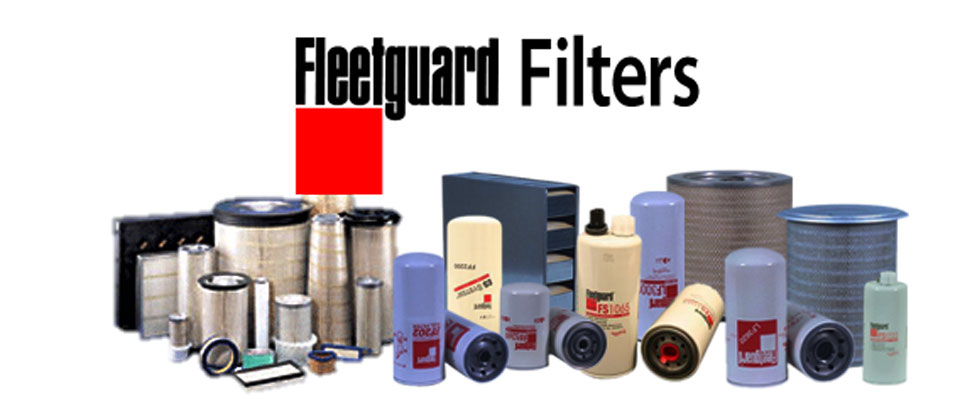
- Air filter: check the restriction indicator and the pre-cleaner bowl.
- Fuel water separator: drain any water.
- Belts and radiator: look for cracked belts and a radiator blocked by dust or debris.
Structure and attachments
- Check the boom, arm and bucket for cracks, especially around welds.
- Check pins and bushings for play, and grease all points listed in the lubrication chart.
- Inspect bucket teeth and side cutters for wear or looseness.
- Look at hydraulic hoses for chafing, bulges or damaged covers.
Undercarriage
- Check track tension and look for missing or loose track shoe bolts.
- Clean packed mud and stones from the undercarriage.
- Look for oil leaks on rollers, idlers and final drives.
After starting the engine
- Make sure all warning lights go out and gauges read normally.
- Listen for unusual noises from the engine and pumps.
- Operate all functions slowly and check that movements are smooth.
- Test the horn, lights, travel alarm and brakes.
Record what you find
Write down any defect and report it before it gets worse. Recording small problems also helps plan parts orders in advance. When you need a replacement part, search our catalog or send the part number to our team via WhatsApp.